Understanding Lead Capture in the Restaurant Industry
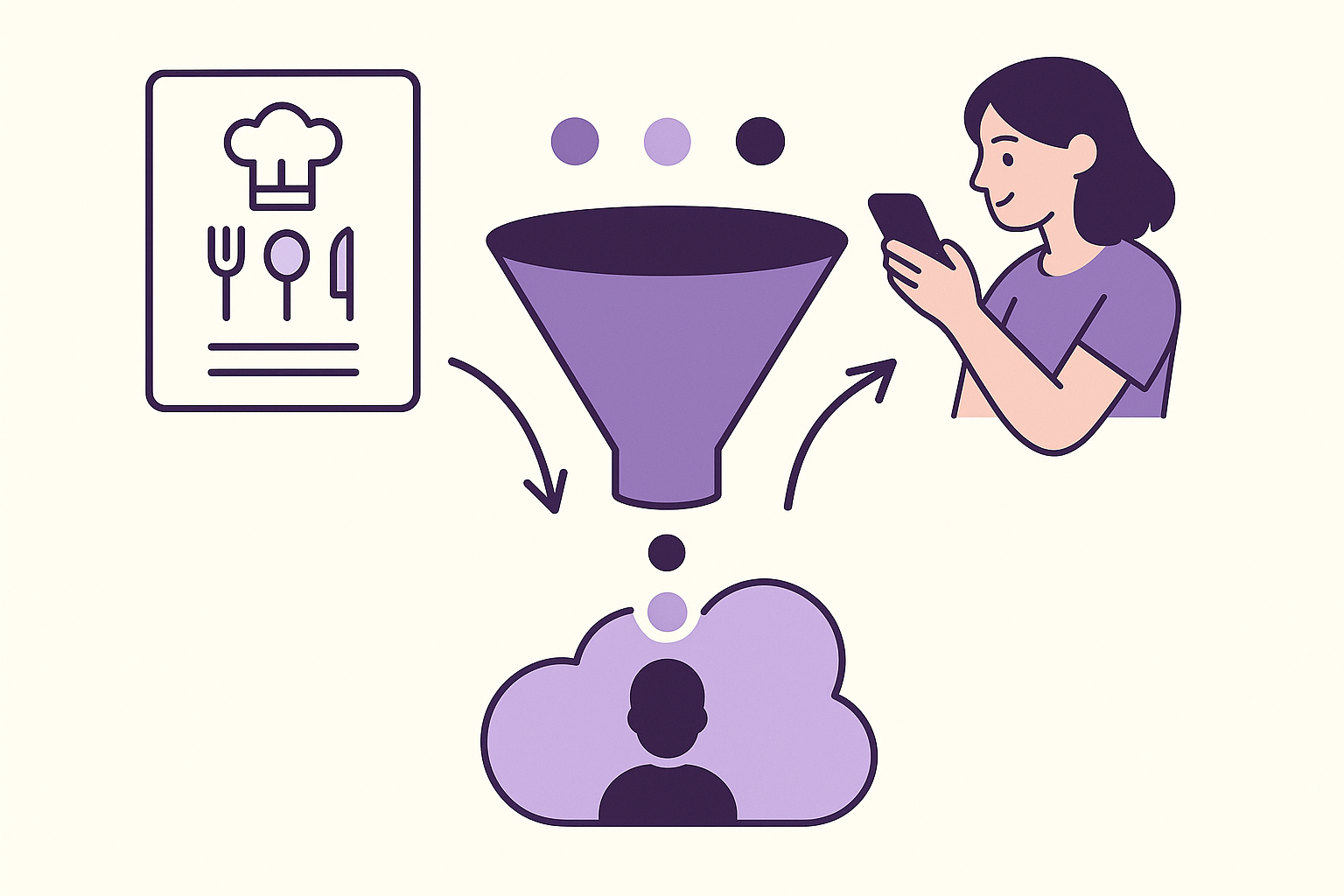
In the competitive world of dining, restaurants must constantly find ways to attract and retain customers. Lead capture involves collecting valuable customer information such as names, phone numbers, and email addresses. This data is crucial for building a loyal customer base and ensuring repeat business. A well-maintained database allows restaurants to engage with customers through personalized offers, event invitations, and special deals, ultimately boosting customer loyalty.
In today’s digital age, utilizing online tools to capture leads is not just efficient but also essential. Restaurants can easily transform casual website visitors into loyal patrons by integrating lead capture forms into their online presence. For example, a local Italian restaurant might incorporate a lead capture form into their online reservation system. By doing so, they can gather customer details during the booking process and use this information to send thank you emails, birthday offers, or updates on new dishes. This approach can significantly enhance customer satisfaction and encourage more frequent visits.
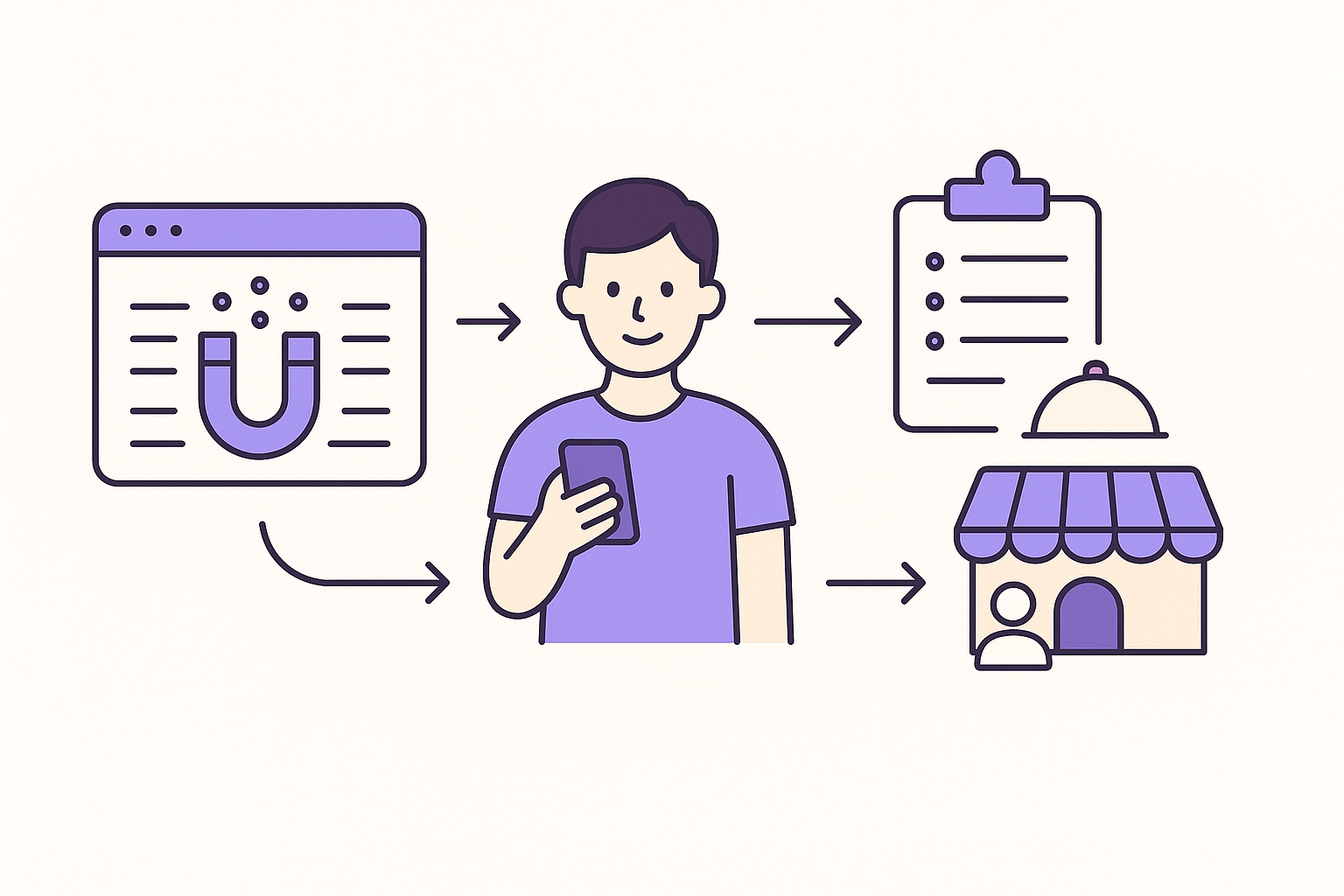
Moreover, lead capture isn't just about gathering data; it’s about using that data effectively. Restaurants should aim to segment their customer base to tailor communications and offers that resonate with each group. For instance, young professionals might appreciate notifications about happy hour specials, while families could be more interested in weekend brunch deals.
Utilizing Chatbots for 24/7 Customer Engagement
In an era where instant gratification is the norm, customers expect quick responses to their inquiries. This is where AI chatbots come into play, providing a game-changing solution for restaurants. Chatbots can offer 24/7 service, handling customer queries and capturing leads even when the restaurant is closed. This ensures that no potential lead slips through the cracks, regardless of the time of day.
Chatbots are particularly beneficial for restaurants that attract a diverse, global audience, as they can support over 50 languages. Consider a sushi restaurant located in a tourist hotspot. By implementing a multilingual chatbot, they can effectively engage with international visitors, providing them with necessary information while capturing their contact details for future promotions. This not only enhances the customer experience but also builds a comprehensive database for targeted marketing efforts.
When using chatbots, it’s essential to program them with a friendly, conversational tone to avoid making interactions feel robotic. Additionally, restaurants should regularly update the chatbot’s knowledge base to ensure it provides accurate and relevant information.
Streamlining Appointments with Google Calendar Integration
Managing reservations can be a daunting task for any restaurant, especially during peak times. Google Calendar integration is a powerful tool that helps streamline the booking process. By syncing reservations with a digital calendar, restaurants can efficiently manage their appointment slots and prevent double-booking, leading to improved customer satisfaction and operational efficiency.
Take, for instance, a bustling downtown bistro that often struggles with managing its peak reservations. By integrating Google Calendar, the restaurant can ensure that bookings are updated in real-time, reducing the likelihood of overbooking and allowing staff to focus on providing exceptional service. This not only improves the dining experience for customers but also builds trust and reliability.
To maximize the benefits of Google Calendar integration, restaurants should ensure that all staff members are trained to use the system effectively. Clear guidelines on managing calendar events and updating reservations will help maintain accuracy and prevent any scheduling mishaps.
Creating a Unified Messaging System
Effective communication is the backbone of excellent customer service. A unified messaging system allows restaurants to manage interactions from various platforms, such as their website, Telegram, and WhatsApp, all from a single inbox. This streamlined approach enables staff to handle inquiries efficiently and provides the flexibility for human intervention when necessary, boosting customer satisfaction and engagement.
For example, a busy café that receives numerous inquiries across different platforms can benefit immensely from a unified messaging system. Staff can quickly respond to customer questions and concerns from one place, saving time and ensuring that no inquiry goes unanswered. This seamless communication not only enhances the customer experience but also improves operational efficiency.
When implementing a unified messaging system, it’s important to choose a platform that integrates easily with existing systems and offers scalability as the business grows. Regular training sessions for staff on effective communication practices can further enhance the system’s effectiveness.
Leveraging Knowledge Base for Better Customer Support
A comprehensive knowledge base is an invaluable asset for any restaurant. It provides quick answers to frequently asked questions, significantly improving response time and enhancing the overall customer experience. By making customers feel informed and valued, a well-maintained knowledge base encourages further engagement and loyalty.
Consider a family-friendly pizzeria that frequently receives inquiries about dietary options and party bookings. With a detailed knowledge base in place, customers can instantly find answers to their questions, freeing up staff to focus on providing personalized service. This approach not only boosts customer satisfaction but also positions the restaurant as a customer-focused establishment.
To keep the knowledge base effective, restaurants should regularly update it with new information and common inquiries. Encouraging feedback from customers and staff can also help identify areas for improvement and expansion.
Growth Strategies: Broadcasts and Segmentation
Broadcasts and segmentation are powerful strategies that can drive significant growth for restaurants. Broadcasts involve sending targeted messages to potential leads, while segmentation allows restaurants to personalize their marketing efforts, ensuring that messages resonate with specific customer groups. These strategies enhance marketing efficiency and boost customer engagement.
Imagine a burger chain that wants to promote a new vegan burger. By segmenting their audience based on past purchase behavior, they can specifically target customers who have shown interest in plant-based options. This tailored approach increases the likelihood of positive responses and strengthens customer relationships.
To implement effective segmentation, restaurants should analyze customer data to identify distinct groups based on demographics, purchase history, and preferences. This information can then be used to craft personalized marketing messages that speak directly to each segment’s interests and needs.
What is lead capture and why is it important for restaurants?
Lead capture involves gathering potential customer information for future engagement. It is crucial for building a database, enhancing marketing strategies, and fostering long-term customer relationships. By capturing leads, restaurants can personalize their marketing efforts, tailor promotions to specific customer needs, and boost customer retention.
How can restaurants use chatbots to capture leads?
Restaurants can use chatbots to engage visitors 24/7, gathering valuable lead information during interactions. Chatbots’ ability to communicate in multiple languages allows them to cater to diverse audiences and capture a wide range of leads. Quick, automated responses improve customer satisfaction and increase the success rate of lead capture.
What are the benefits of integrating Google Calendar for bookings?
Integrating Google Calendar for bookings helps manage appointments efficiently, preventing double-booking and ensuring proper scheduling. This enhances customer satisfaction by confirming availability and streamlining the booking process. Customers appreciate the ease and assurance that come with confirmed reservations, leading to a more positive dining experience.
If you're ready to boost your restaurant's lead capture and streamline customer interactions, try Myra's 7-day free trial. No credit card required, and setup takes just five minutes. Start now at Myra.
7-day free trial · no credit card · live in 5 minutes
Start free →